By Tiffany Gonzalez, DLE Communications Intern and Junior at Arizona State University
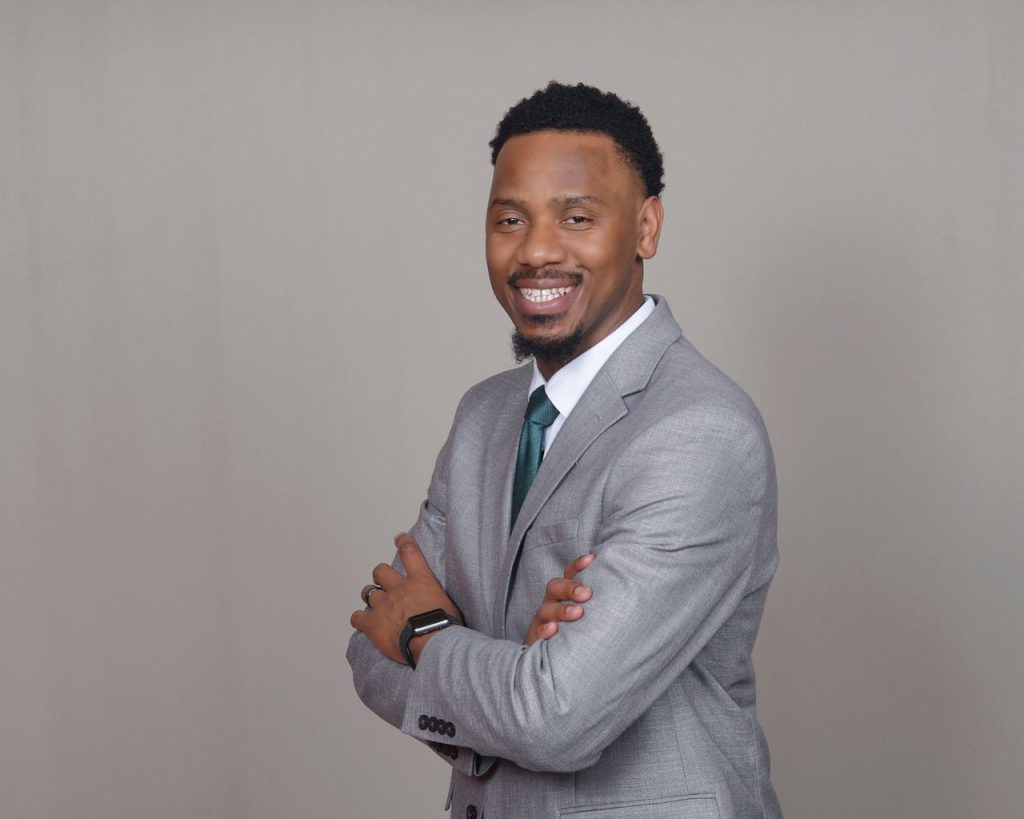
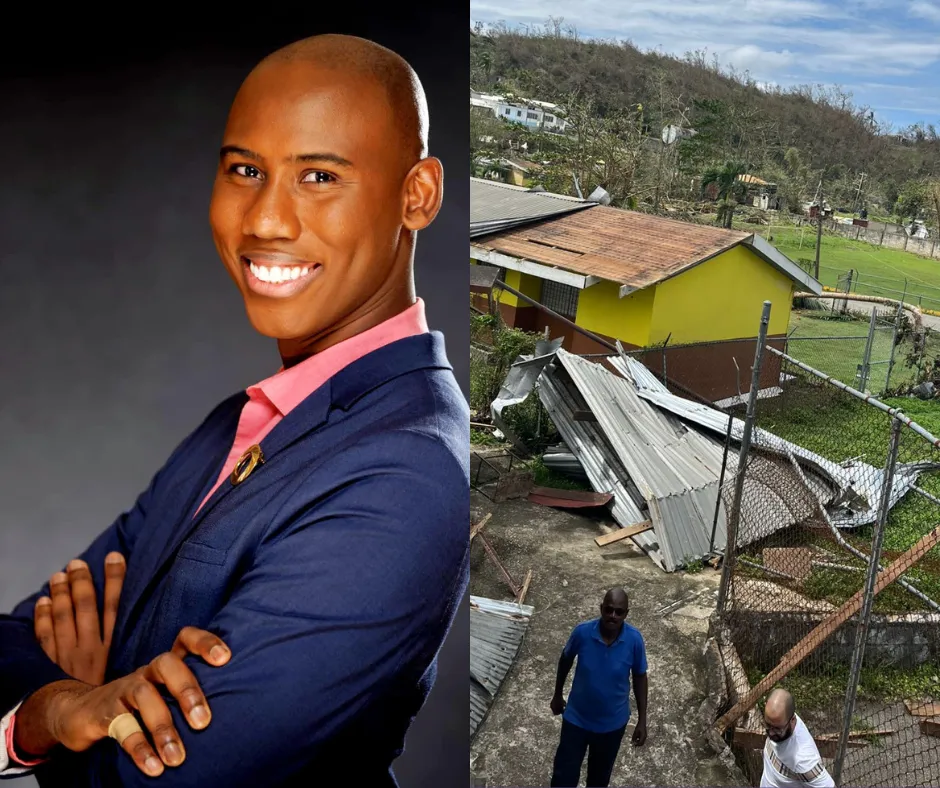
When Hurricane Melissa hit Jamaica in late fall of 2025, DLE member Oneil Carter rushed to the island to help rebuild his family’s community.
“My family is from Jamaica,” Oneil explains. “I can’t sit here and not help out in some way, whether it be through funding or helping clear a tree in the road.”
A 2019 graduate of Western New England University with a bachelor’s degree in applied science in biology, Oneil spent six years working in biotech before settling in Boston as a recruiter at Astra 9. There, he works as a career storyteller and stealth application specialist, helping professionals navigate career transitions. His career may not suggest disaster response, but when Melissa struck his family’s Westmoreland community, the decision to go there was simple.
He spent six weeks helping relatives, neighbors, and community members begin the long recovery process. Travel itself was uncertain: only one airport remained open, in Kingston, and reaching his family required navigating damaged roads and limited access to rural communities.
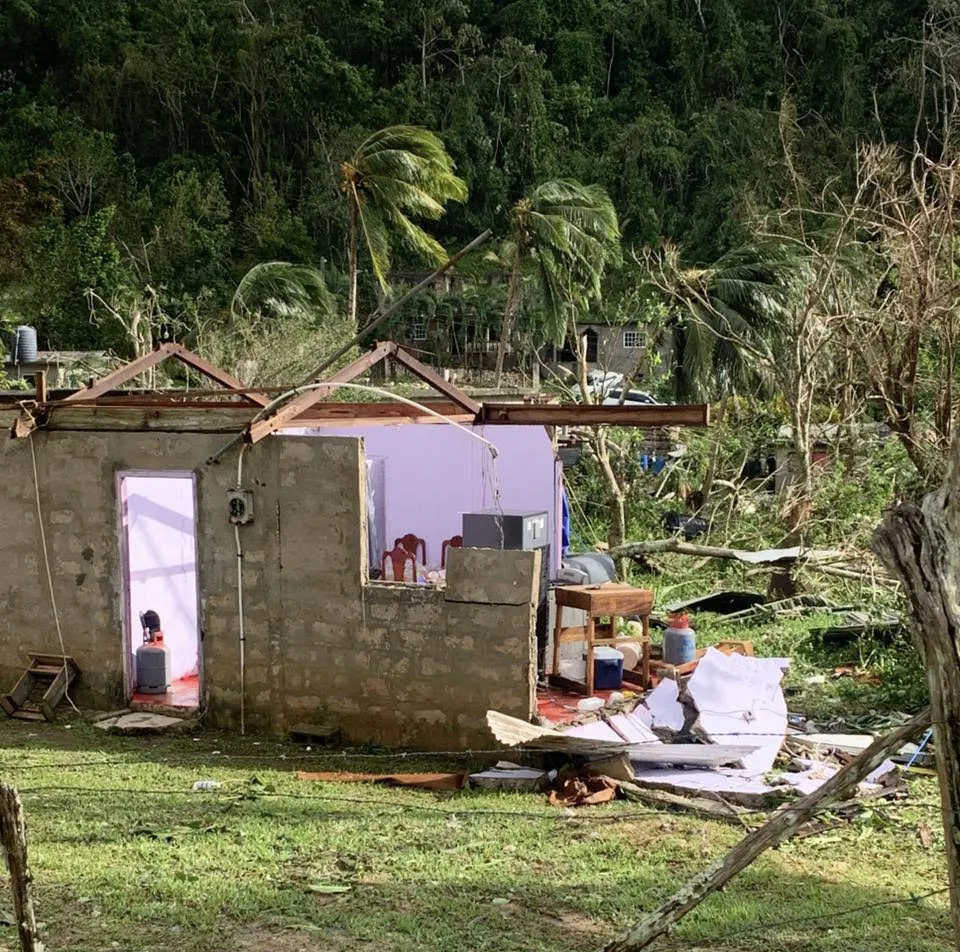
The destruction was overwhelming. Roofs were gone, windows shattered, and floodwaters left thick mud across floors, soaking mattresses and personal belongings. With no electricity or vacuum cleaners, cleanup depended on mops, brooms, machetes, and the hands of neighbors working together. Many residents were still sleeping in roofless homes, and for those who lost everything, the storm had left them almost completely helpless.
“And be mindful that the average home is nothing like the houses we have here in the states. They were simply torn apart,” he notes.
In the absence of organized relief, Oneil joined family and neighbors clearing roads and homes so people could safely move around and find dry places to sleep.
“I knew what it was like to be overlooked due to the limitations of aid,” he says. “There were too many areas impacted by the storm for organized relief to support them all. But I’m a roll-up-your-sleeves and get-in-the-trenches sort of guy.”
Even in the devastation, he saw the strength of community. “Community has a multifaceted function,” Oneil explains. “You’re getting not just a psychological boost that we’re all in this together, but also offering physical help and gaining confidence–even when you feel like you have nothing left.”
One moment that stayed with him involved a neighbor who has worked as a public school teacher for 14 years, earning about $14,000 USD a year. The storm tore the roof from his rented home, and floodwaters left thick mud across the floors, destroying many of his personal records. With no bed to sleep in and much of his documentation gone, he faced rebuilding the last 14 years of his life from scratch. Stories like his were common throughout the community, particularly for families trying to rebuild while still caring for loved ones.
The experience reinforced for Oneil the importance of community support in moments of crisis–and beyond. “As much as you want to do things on your own, there are limits to what we can do as individuals,” Oneil explains. “Bad things can and will happen, and when they do, don’t be ashamed to reach out for help. You never know who can help you unless you let them.”
Rebuilding in Westmoreland will take years, but Oneil remains closely connected to the people he helped. Several times a week, he checks in with friends and family from the community to see how they’re doing and offer encouragement.
“Helping others through a disaster like what happened in Jamaica–whether you are on the ground there or making a monetary donation from afar–really does connect you to a global community,” he says. “You become part of a special group of people who are helping others, usually complete strangers, through a crisis. You provide a sense of hope. Regardless of how small the action, you signal to a disaster victim that we are walking step by step together, and we can rebuild.”
Relief efforts continue for the victims of Hurricane Melissa. If you’re interested in providing support, information is available at Jamaica’s Office of Disaster Preparedness and Emergency Management.