By Tiffany Gonzalez, DLE Communications Intern and Junior at Arizona State University
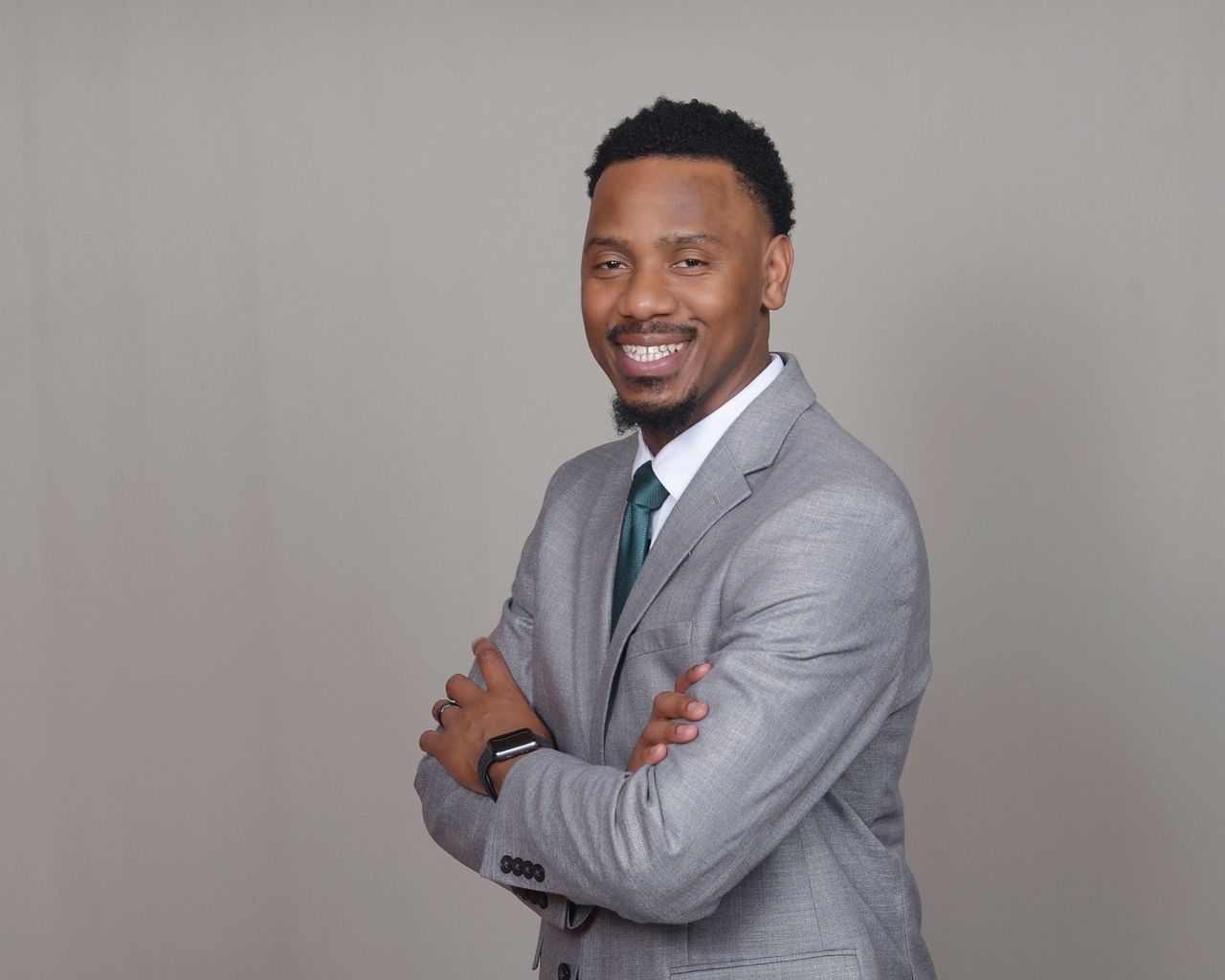
Da’Mon Merkerson’s leadership journey has been rooted in airing his voice, pursuing deep purpose, and building community.
Long before becoming Senior Associate Athletic Director for Culture and Engagement at the University of Oregon, Da’Mon recalls, he had his first experience speaking publicly, namely reciting the “I Have a Dream” speech in elementary school. That moment has come full circle.
He has since been nominated for the Rev. Dr. Martin Luther King Jr. Awards, presented by the University of Oregon Division of Equity and Inclusion, which recognize members of the university community who embody Dr. King’s values through leadership, advocacy, and efforts to create a more welcoming and inclusive environment.
“What went through my mind is who nominated me and why,” Da’Mon admits. “Sometimes we suffer from imposter syndrome… I don’t feel like I’ve done enough yet.”
A standout cornerback at his undergraduate alma mater, Syracuse University, Da’Mon has centered his career on improving the student-athlete experience. “My guiding principle is to build strong relationships,” he explains, emphasizing that success in athletics depends on support and opportunity.
Through roles of increasing responsibility in athletics operations at Temple University,Boston College, and now the University of Oregon, he has developed a leadership style grounded in collaboration.
“I love collaborating,” he says. “I feel good about acknowledging what I don’t know and supporting people who know more than I do.”
That mindset shaped one of his career-defining moments. Da’Mon helped merge two separate campus events at Temple–one tied to a book by alumnus Howard Bryant on black athletes and the political climate, and another featuring sociologist Harry Edwards, architect of the 1968 Olympic protest–into a unified campus conversation.
Originally planned by different campus units, the events shared common themes but lacked connection.
Da’Mon helped create a broader and more impactful dialogue: Edwards spoke directly with student-athletes, while a fireside chat with Bryant opened the discussion to the wider campus community. “We found the natural synergy to bring that together,” Da’Mon says. “In most cases, we’re sharing the same goals.”
Finding that synergy has become a defining strength.
“Finding others is what I’m really good at,” Da’Mon notes. “That’s been my superpower… not just students but also the greater community.”
His ties to the Dulye Leadership Experience date back to 2011, when he participated as a senior at Syracuse University in the organization’s immersive three-day professional development program.
“The DLE expanded my thinking. Its curriculum was very innovative and creative,” Da’Mon says.
The experience also forged lasting relationships with fellow participants, including a close friendship with Joe Fields, now athletic director at New Mexico State University.
Currently pursuing a Ph.D. in Critical and Sociocultural Studies in Education at the University of Oregon, Da’Mon continues to emphasize adaptability and lifelong learning–not just for himself, but for those he mentors.
“Leadership is about taking the first step, living by your values, developing others, service, and making tough decisions,” Da’Mon says. “If you don’t want to make decisions that upset people, you don’t want to be a leader.”
Raised by a mother in the military and a father in education, Da’Mon saw service modeled early. He recalls helping his father shovel neighbors’ driveways at age 13 simply because it was “our neighborly duty.”
“Service is a component of who we are,” Da’Mon says, grounded in the belief that we stand on the shoulders of those who came before us.
That mindset carries into his work, creating spaces where student-athletes feel they belong. He defines belonging as “feeling like you can be your most authentic self… and having the tools to be successful,” noting that when people feel that freedom, “they’re going to give you more.”
Da’Mon encourages emerging leaders to stay adaptable in a rapidly changing workforce.
“You have to lean into what people are doing. AI is here and you need to use it,” he says. But technology is only part of the equation.
“As you continue to build soft skills–what I call essential skills–that technology can’t replicate, that’s what allows you to separate yourself and continue elevating.”