By Tiffany Gonzalez, DLE Communications Intern and Junior at Arizona State University
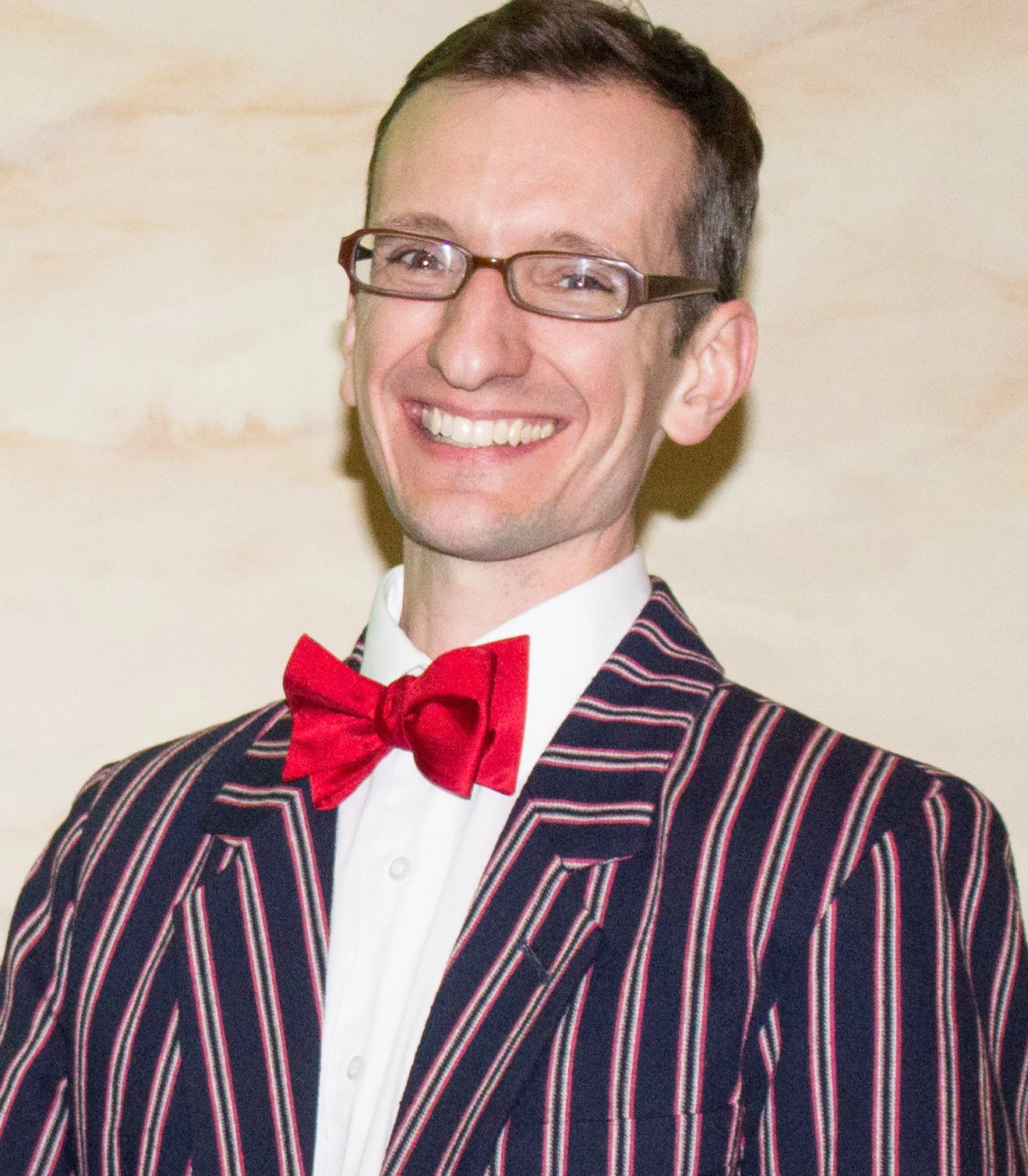
For Alex Reczkowski, libraries have always represented more than books on shelves. They are places where curiosity, community, and problem-solving come together.
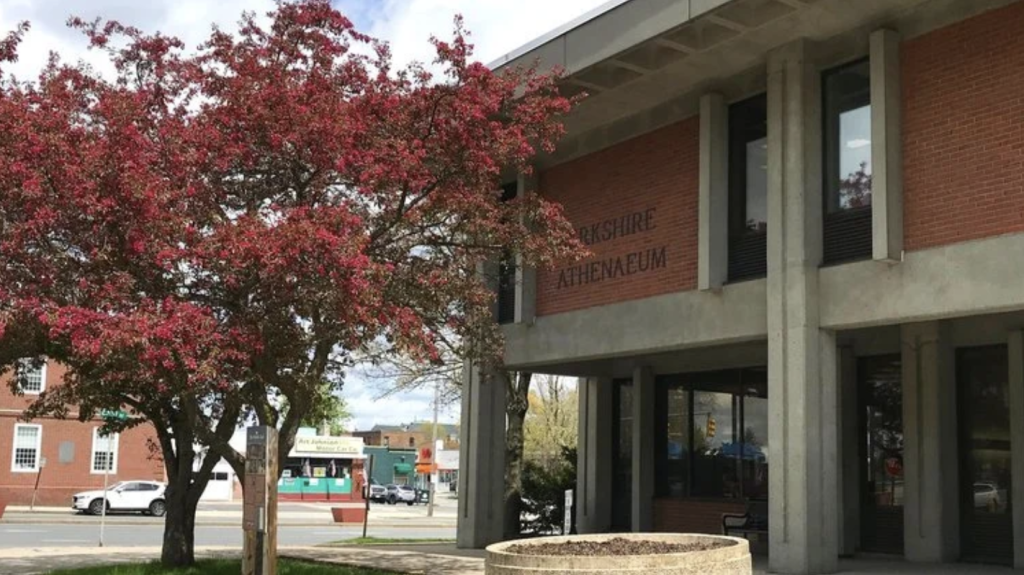
“Libraries are about all of us working together to find solutions and answers to our questions and to explore ideas,” says Alex, director of the Berkshire Athenaeum, the public library in Pittsfield, MA.
He has led the library since 2016 after earning his master’s degree in library science in 2008 from the University of Illinois, Urbana-Champaign. His interest in the profession was shaped early on by a belief that knowledge should be shared and accessible.
“I remember being a kid learning the meaning of the name Alex. It came from Alexander, which is Ancient Greek and means helper of man. So I feel like the charge of my name is to be this helper of people; but honestly I think that’s a responsibility we all share,” he says.
That idea of librarians as guides to knowledge stayed with him throughout his education and career.
“My second-grade teacher often said the smartest people aren’t the ones who know all the answers, but the people who can find the answers and figure them out,” Alex explains. “That stuck in my brain–librarians are these warrior helpers making the world a better place.”
Today, the Berkshire Athenaeum reflects that mission on a significant scale. The library holds roughly a quarter of a million items, including about 160,000 titles. Its collection includes 96,000 adult print books, 34,000 children’s books, and 4,000 young adult titles.
Although print books still circulate widely–about 135,000 times in 2025–digital materials are growing steadily. Over the past year, the library recorded roughly 30,000 e-book circulations through a regional consortium that provides shared digital access to titles.
Additionally, audiobooks are seeing strong growth as listening habits change. “They’re growing in popularity because they’re convenient and align with today’s podcast culture,” Alex notes.
The shift reflects a broader global trend. According to Fortune Business Insights, the global e-book market was valued at more than $50 billion in 2025 and is expected to grow rapidly in the coming years as readers turn to portable digital formats.
Libraries themselves are evolving alongside these changes, expanding beyond traditional reading spaces to offer resources that support learning in many forms. Berkshire Athenaeum patrons can access online databases, language-learning tools, scholarship and grant resources, and community educational programs for free. These services reflect the library’s broader role as a hub for lifelong learning and professional development.
“Come learn and grow your skills at the library,” Alex encourages. “You’ll discover tremendous online databases that give you access to unlimited learning in unlimited topics.”
A passionate team of 65 staff members keeps these professional development resources accessible and relevant 63 hours a week at the Berkshire Athenaeum. Volunteers also play an important role. In 2025, 50 individuals contributed their time, collectively donating 6,400 hours.
The library currently serves about 18,000 borrowers and has taken steps to make access easier. “Our membership is pretty steady,” Alex says. “We’ve been doing a lot of work reaching out to public schools, getting kindergartners signed up for their library cards, and building awareness of the tremendous resources we offer in this younger generation.”
In the spirit of continuous improvement, Alex’s team collaborates on ways to build community engagement. For example, overdue fines have been eliminated after research showed that small penalties could discourage patrons from returning.
Even with new technologies, Alex believes the nature of reading itself has not disappeared. It has simply evolved with the times. The same lesson applies in today’s workplace: Staying informed about changing trends and continuing to learn are essential habits for personal and professional growth.
“Public libraries, with their free access to educational tools and information, remain one of the most accessible places for people to build new skills and pursue opportunities that help them grow in their careers,” Alex affirms.